

A piece of the history of Round Hill lives on at Coconut Cottage. Perched on a hillside once part of the historic Round Hill Estate, Coconut Cottage offers guests a rare opportunity to step into a living piece of Jamaican history. This stretch of Jamaica’s northern coast has long been associated with understated elegance and timeless beauty. Today, the villa seamlessly blends the estate’s agricultural heritage with contemporary island design, creating a serene retreat where past and present coexist in perfect harmony.

The Sugar Plantation Era
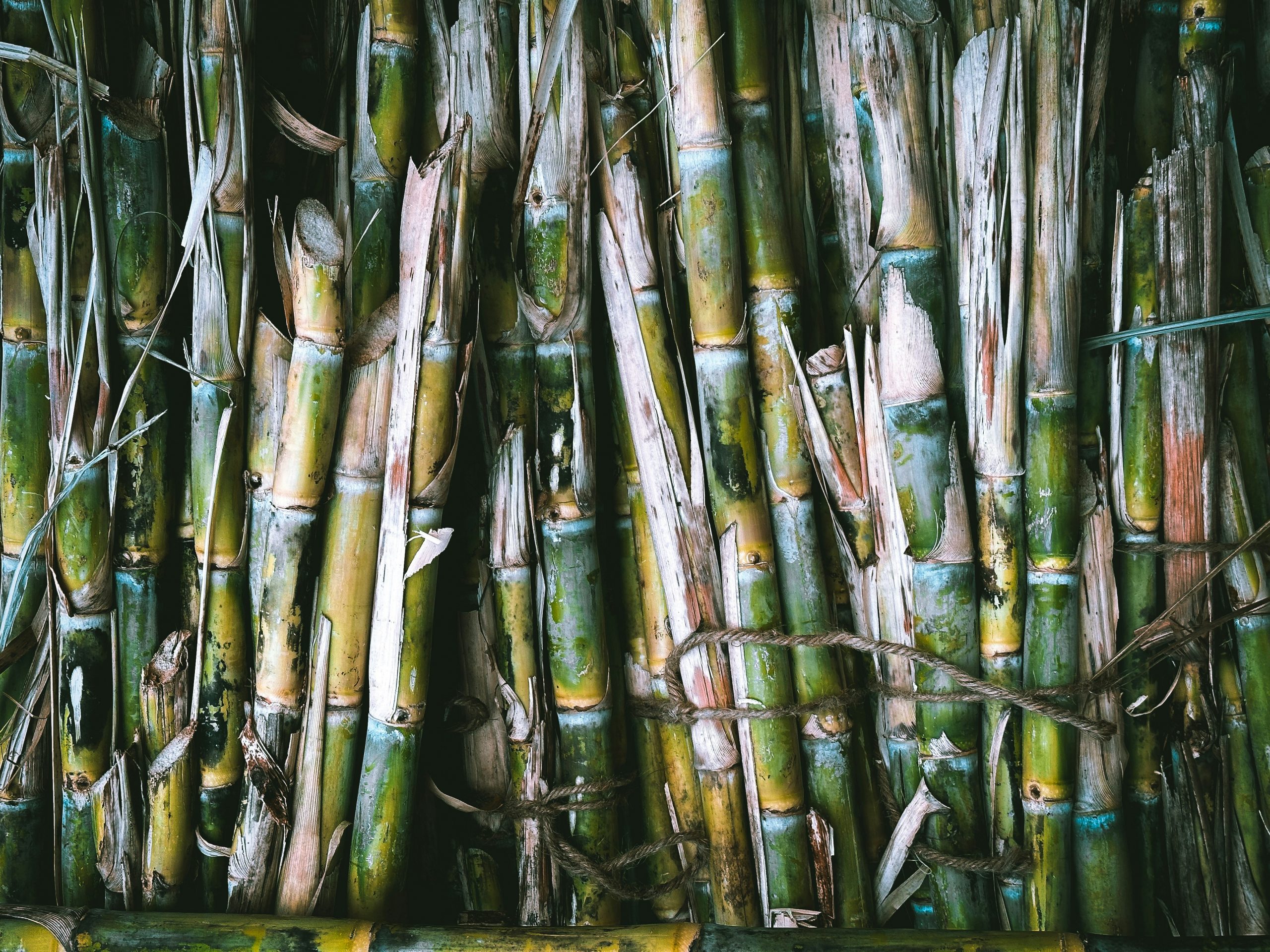
Long before Round Hill became synonymous with celebrity getaways and luxury vacations, this coastal region formed part of Jamaica’s vast sugar plantation economy. During the 18th and early 19th centuries, sugar earned its reputation as “white gold”, driving colonial wealth while relying on the brutal system of enslaved labour that powered it.
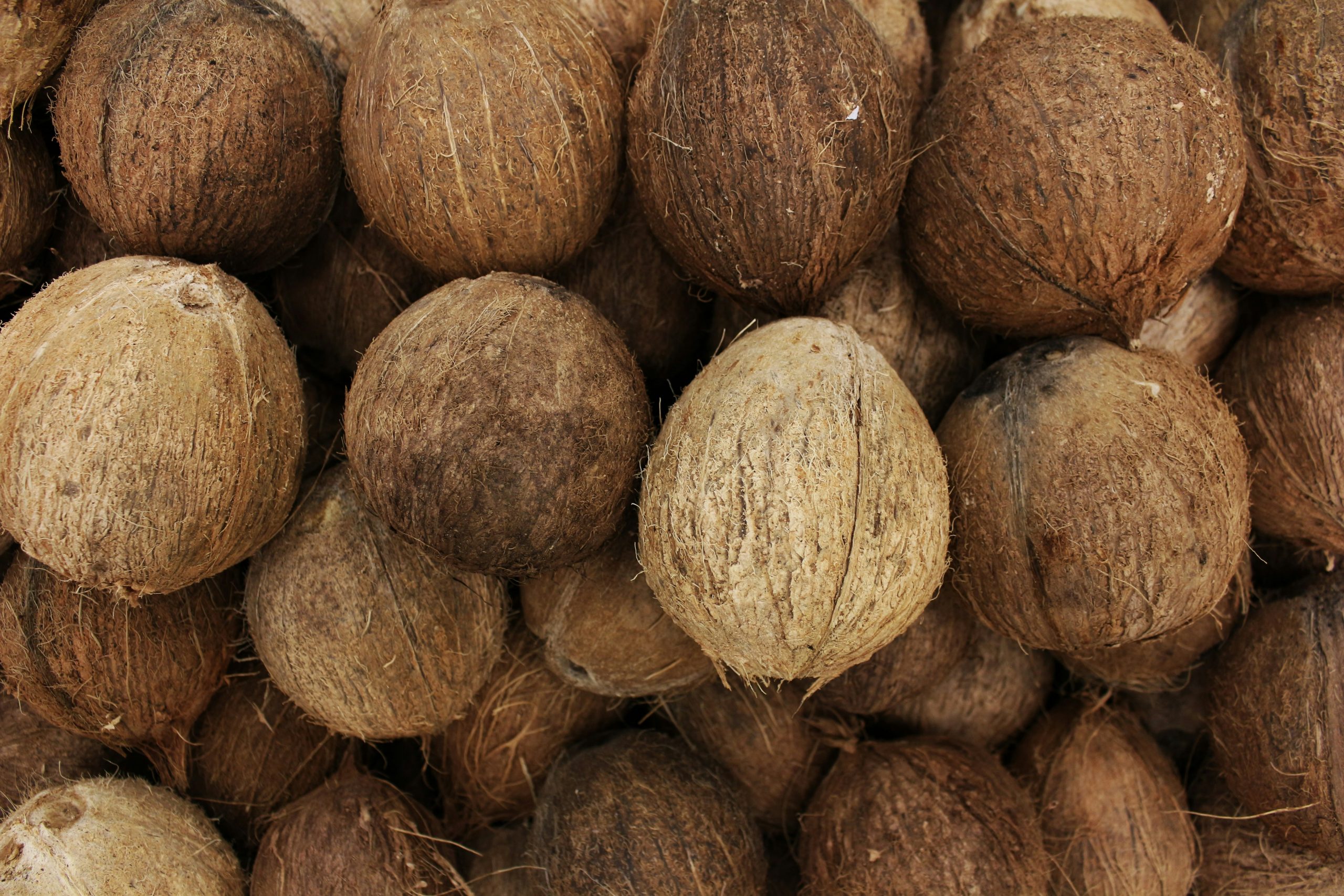
The Round Hill Estate was originally part of Lord Monson’s sugar plantation, a property that later grew coconuts, pineapples, and pimento. Enslaved Africans and their descendants worked these fields under brutal conditions, cultivating and processing sugarcane that would be shipped to Europe and the Americas. Coconut Cottage itself stands on this historic estate: a piece of land that witnessed Jamaica’s complex and painful colonial past.
The most defining moment in the city’s history came in 1831, when Baptist deacon Samuel Sharpe organised Jamaica’s largest slave revolt- The Christmas Rebellion. It was suppressed, and Sharpe was hanged in the city’s central square in 1832. But his sacrifice helped accelerate the abolition of slavery across the British Empire just two years later. Today that square bears his name, and he stands as one of Jamaica’s National Heroes.
After Jamaica’s emancipation in 1834, the sugar trade declined and tourism began to fill the gap. An airstrip constructed in the 1940s became the foundation of Sangster International Airport, opening MoBay to the world. Iconic resorts like Round Hill followed in the 1950s, cementing Montego Bay’s reputation as the Caribbean’s chicest address. Jamaica gained full independence in 1962, and the city has only grown more vibrant since.
The Wider Colonial Legacy in Hanover Parish
Coconut Cottage and Round Hill sit in Hanover Parish, one of Jamaica’s smallest but historically richest regions. The area is dotted with great houses and estate ruins that tell the story of Jamaica’s colonial past:
Tryall Estate: Now home to the Tryall Club (where you have complimentary membership), this was once a working sugar plantation. The 18th-century water wheel still stands as a reminder of the estate’s industrial past. Today it’s a championship golf course and luxury community.
Kenilworth Estate: Another former sugar plantation nearby, now largely returned to nature but with visible ruins of the old great house and sugar works.
Rose Hall Great House: Perhaps Jamaica’s most famous plantation house, located 20 minutes from Coconut Cottage. The restored Georgian mansion offers tours that explore both the grandeur and the darker realities of plantation life.
Coconut Cottage Through the Years
The property changed hands over the years, with each owner respecting its heritage while adding modern touches. The original architecture, thick stone walls, high ceilings, and wraparound, remained intact preserving the colonial character that makes the villa so special. In the summer of 2020, Coconut Cottage’s current owners undertook a thoughtful renovation that honoured the villa’s history while bringing it into the modern luxury era.
The updates included:
- Five completely remodelled bathrooms with spa-quality fixtures
- A state-of-the-art gym
- Modern air conditioning throughout
- Updated suites with designer furnishings and antique four-poster beds
- Enhanced outdoor spaces and pool area
The renovation preserved the villa’s verandahs, open-air flow, and the sense of history in every room. Today, Coconut Cottage blends that legacy with modern comfort, inviting guests to experience Montego Bay as it has been enjoyed for generations: unhurried, elegant, and deeply personal.

Honouring Jamaica’s Full Story
Staying at Coconut Cottage means experiencing a space shaped by Jamaica’s colonial past and acknowledging its history honestly: the beauty of these estates was built on the suffering of enslaved people who worked the land and created the wealth that funded them.
Understanding where you’re staying deepens the experience. When you sip Blue Mountain coffee on the veranda, you’re enjoying modern Jamaican excellence. When you admire the stone walls, you’re seeing craftsmanship built to last centuries. When you explore nearby estates, you’re connecting with the Caribbean’s complex, layered story.
Today, modern Jamaica has transformed these spaces into something new, places of celebration, relaxation, and authentic Jamaican pride. The staff who care for you (Chef Leighton, your butler, housekeeper, and driver) represent Jamaica’s present and future, offering warm hospitality that’s distinctly Jamaican.
Round Hill and Coconut Cottage represent Jamaica’s journey: from colonial exploitation to independent nation, from sugar plantation to world-class destination, from the past to a vibrant present where Jamaican culture, pride, and hospitality shine. The land remembers, but it has also been reclaimed.
Whether you’re seeking a peaceful escape or a base to explore Montego Bay’s attractions, Coconut Cottage delivers authentic Jamaican charm just minutes from the beach, dining, and north coast adventures. Discover more about Jamaica with our post on the perfect day trips.
Ready to experience history and luxury combined? Book your stay at Coconut Cottage and discover the rich heritage of Round Hill.